

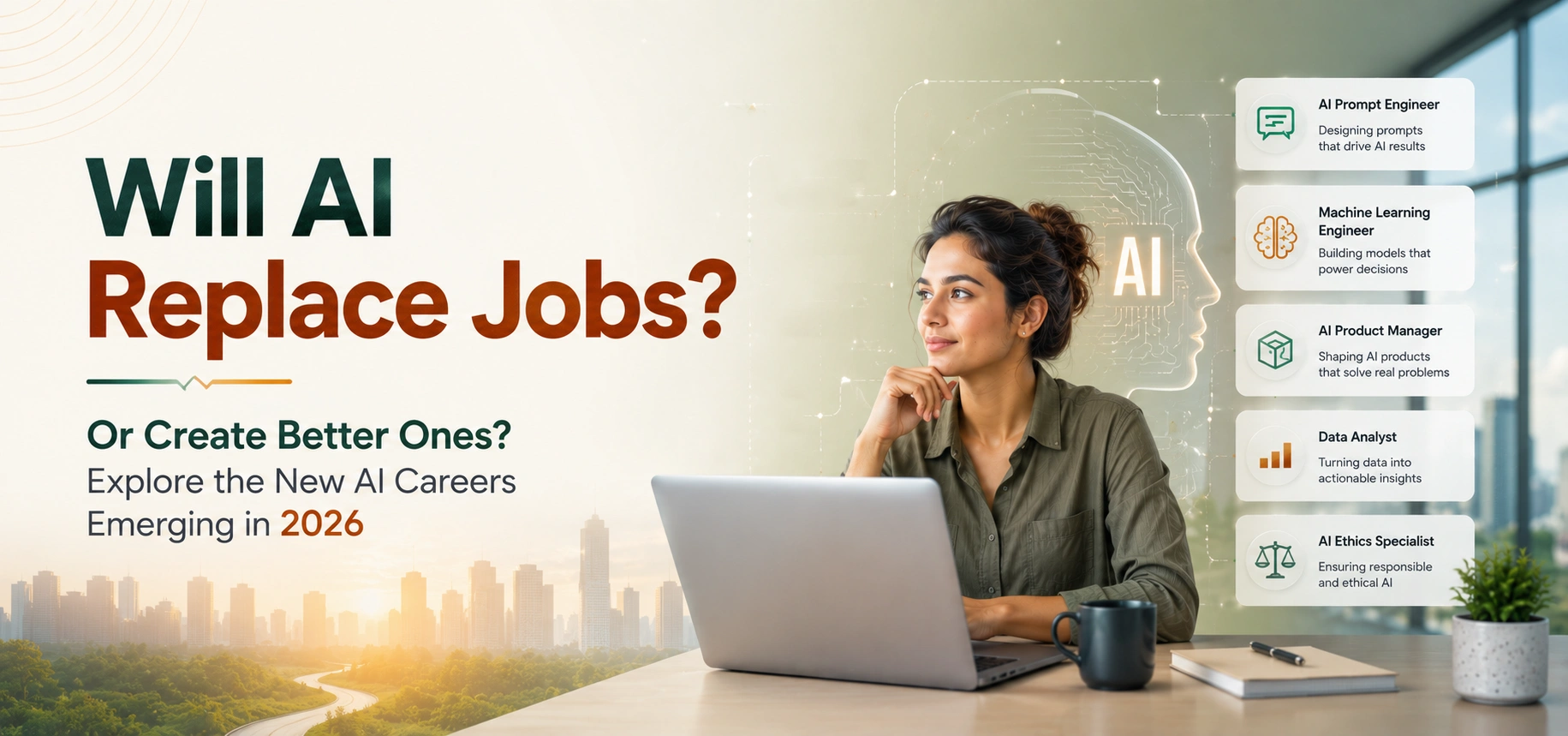
If someone had mentioned job titles like Prompt Engineer or AI Trainer five years ago, most people would have assumed they belonged to science fiction. Today, these roles are appearing on real job listings across industries.
This sudden change is one of the clearest signs of how quickly technology is reshaping the world of work. Companies are no longer just hiring traditional roles; they are actively creating new positions designed specifically to manage and improve artificial intelligence systems.
That’s exactly why future tech jobs are becoming more visible in today’s hiring landscape. As businesses continue to adopt advanced technologies, the number of AI career opportunities is increasing across fields such as marketing, finance, healthcare, and software development. The growth of generative AI employment shows that innovation is not just changing tools; it is creating entirely new kinds of work.
Understanding the jobs created by generative AI is becoming important for students and professionals who want to stay prepared for the future rather than react to it later.
Why Generative AI Is Creating New Jobs Instead of Just Replacing Them
When people first heard about artificial intelligence, many believed it would replace human workers completely. However, the reality is turning out to be different.
Most AI tools still need human supervision. They can generate content, analyse data, and automate repetitive work, but they cannot fully understand context, emotions, or business goals without guidance.
That’s where AI’s new job roles come into the picture.
Instead of removing jobs, companies are creating roles focused on managing AI systems, checking outputs, improving accuracy and designing workflows. This shift explains why future tech jobs are increasing rather than decreasing.
Businesses today are not just buying AI tools; they are building teams around them.
How Generative AI Changed the Hiring Landscape
Hiring patterns have changed significantly in the past few years. Earlier, companies mostly looked for traditional roles such as developers, analysts, and designers. Today, organisations are also searching for professionals who understand AI tools and can use them effectively.
For example:
- Marketing teams use AI to generate campaign ideas
- Software teams use AI to write basic code
- Customer support teams use AI chat systems
- HR teams use AI to screen resumes
However, these tools still require planning and monitoring. That is why generative AI employment is expanding across industries.
Companies now prefer professionals who can work with technology rather than avoid it. This shift is creating long-term AI career opportunities across different fields.
Real-World Jobs Created by Generative AI in 2026
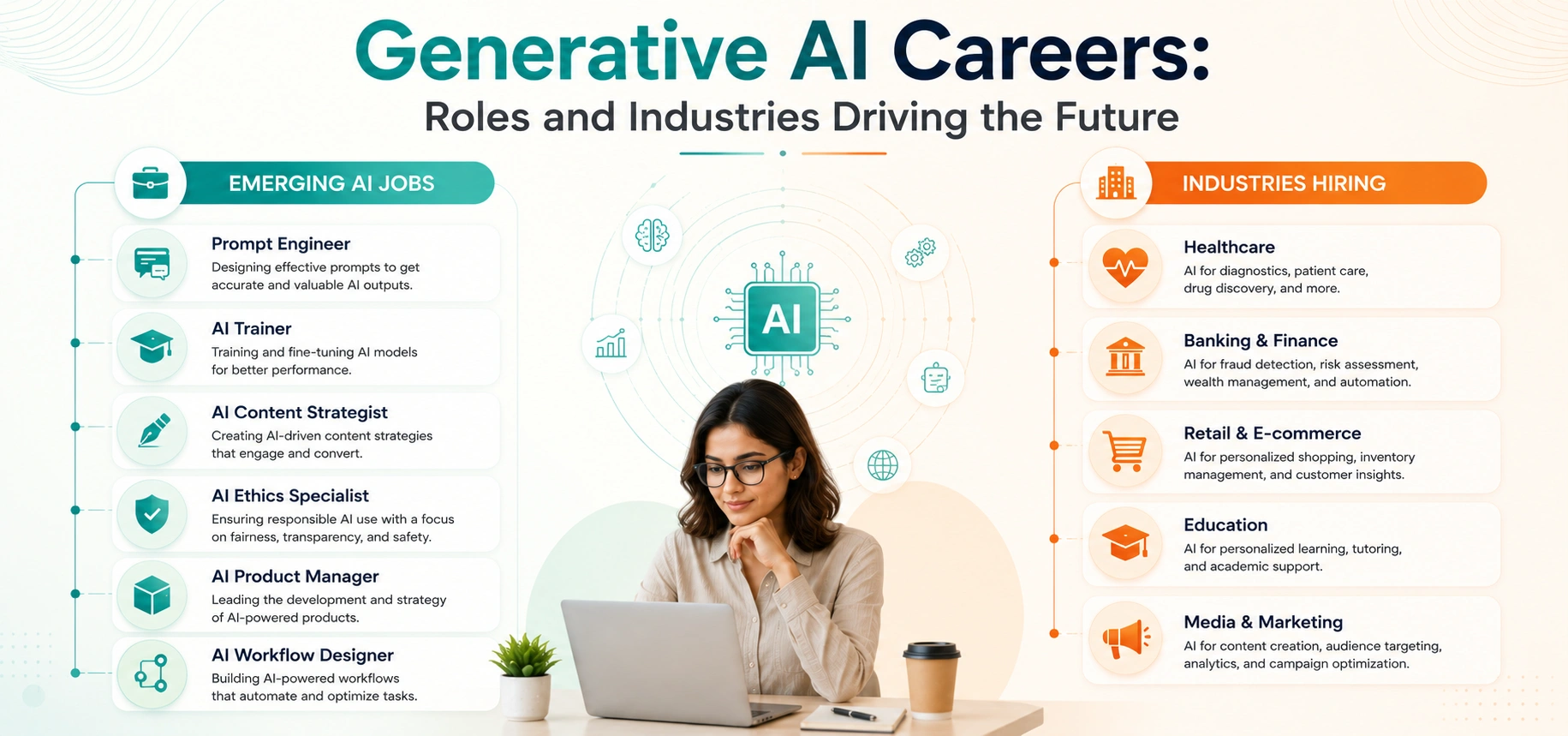
Let’s explore some of the most practical jobs created by generative AI that are already appearing in real hiring environments.
Prompt Engineer
Prompt Engineers are responsible for creating clear instructions that guide AI tools to produce useful outputs.
What They Do:
- Write structured prompts
- Test different instructions
- Improve output quality
- Work with content and technical teams
Why This Role Matters:
AI tools depend heavily on input quality. A small change in wording can produce completely different results. That is why Prompt Engineer has become one of the fastest-growing AI job roles.
AI Trainer (Data Trainer)
AI systems learn from examples. AI Trainers help improve these systems by feeding them correct and structured data.
What They Do:
- Label and organise data
- Correct AI responses
- Train AI systems with examples
- Test system performance
Why This Role Matters:
Without proper training, AI systems make more mistakes. That is why this role is becoming one of the most reliable future tech jobs in the data and technology sectors.
AI Content Strategist
AI can generate content quickly, but it still needs direction and quality control.
What They Do:
- Plan content strategies
- Review AI-generated content
- Maintain brand tone
- Ensure accuracy and clarity
Why This Role Matters:
Companies producing large amounts of digital content are actively hiring for this role, making it one of the growing AI career opportunities in marketing and media.
AI Ethics Specialist
As AI tools become more powerful, companies are focusing on responsible usage.
What They Do:
- Monitor bias in AI outputs
- Ensure privacy protection
- Review compliance rules
- Suggest responsible AI practices
Why This Role Matters:
With stricter regulations coming into place, this role supports safe and ethical generative AI employment across industries.
AI Product Manager
AI Product Managers oversee the development of AI-based software products.
What They Do:
- Plan AI features
- Coordinate teams
- Define user requirements
- Track product performance
Why This Role Matters:
This role connects technical knowledge with business goals, making it one of the most valuable future tech jobs today.
AI Workflow Designer
Many businesses want to automate daily operations using AI.
What They Do:
- Design automated workflows
- Connect multiple tools
- Improve process efficiency
- Reduce manual workload
Why This Role Matters:
This role helps companies increase productivity and supports large-scale jobs created by generative AI.
Industries Creating the Most AI Career Opportunities
AI adoption is happening across many industries, not just technology companies.
Here are some major sectors generating AI career opportunities:
Healthcare
Hospitals use AI for patient data analysis, diagnosis support, and scheduling systems.
AI professionals help manage these systems, making healthcare one of the growing areas for generative AI employment.
Banking and Finance
Banks use AI tools for fraud detection, customer support, and risk management.
These applications create demand for skilled professionals in future tech jobs related to finance and data.
Retail and E-commerce
Online shopping platforms use AI for product recommendations and inventory planning.
This has led to many new AI job roles in digital commerce.
Education
Educational platforms use AI to personalise learning and automate administrative work.
This trend is expanding the number of jobs created by generative AI in the education sector.
Media and Marketing
Companies use AI to create campaigns, analyse audience behaviour, and produce digital content.
This industry continues to generate strong AI career opportunities.
Skills Required to Succeed in Future Tech Jobs
Getting into future tech jobs does not always require advanced technical expertise. However, certain skills make a big difference.
Basic Programming Knowledge
Languages like Python help in working with AI tools and automation systems.
Data Understanding
Knowing how data works improves decision-making and output quality.
Problem-Solving Skills
AI systems often need adjustments and improvements.
Communication Skills
Clear communication helps professionals guide AI tools effectively.
Continuous Learning
Technology changes quickly. Staying updated helps professionals stay relevant in generative AI employment roles.
Challenges and Responsibilities in Generative AI Employment
While opportunities are increasing, working with AI also requires responsibility.
One major challenge is accuracy. AI systems can generate incorrect or misleading information if not monitored carefully.
Another challenge is data privacy. Companies must protect user data while using AI tools.
Ethical responsibility is also important. Professionals working in AI in new job roles must ensure that systems are used safely and responsibly.
Understanding these challenges helps build trust in AI career opportunities and strengthens long-term career growth.
How Students Can Prepare for AI's New Job Roles
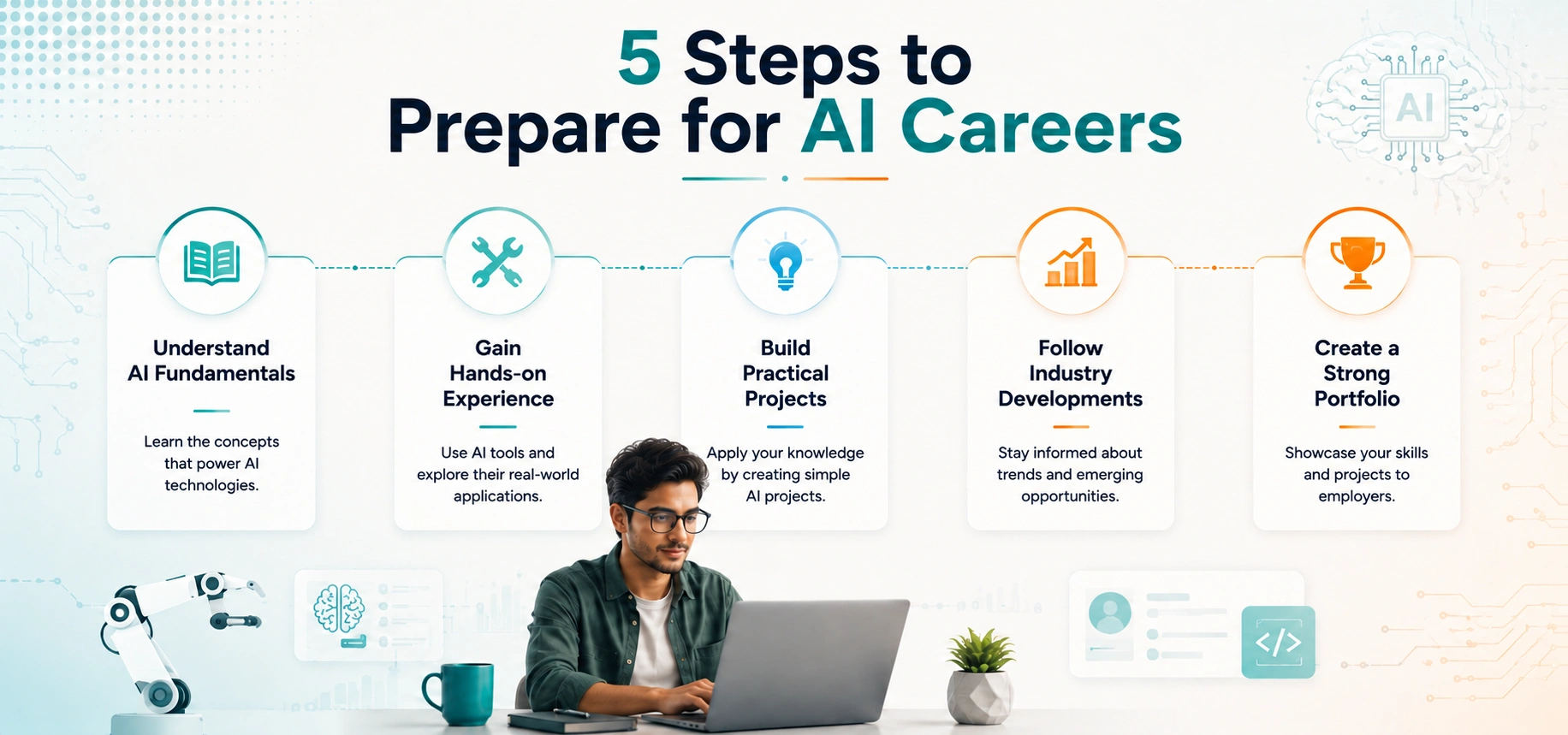
Students interested in future tech jobs can start preparing early by following simple steps.
Learn the Basics of AI
Understanding how AI tools work creates a strong foundation.
Practice Using AI Tools
Hands-on experience helps develop real-world confidence.
Work on Small Projects
Simple projects help build practical knowledge.
Stay Updated with Industry Trends
Following news and updates helps identify new jobs created by generative AI.
Build a Portfolio
Showing real projects increases the chances of getting hired in AI career opportunities.
Future Outlook
The future of AI looks promising, and new roles will continue to appear.
Some possible future tech jobs may include:
- AI System Auditors
- AI Risk Analysts
- AI Simulation Designers
- AI Learning Experience Designers
These roles may evolve, but the demand for skilled professionals in generative AI employment is expected to grow steadily.
Conclusion
The rise of generative AI is not just changing tools; it is changing the nature of work itself. Instead of reducing opportunities, technology is opening new paths through the creation of specialised roles across industries.
The increasing number of jobs created by generative AI shows that innovation is expanding possibilities rather than limiting them. From prompt engineers to AI workflow designers, professionals now have access to new and exciting AI career opportunities that combine technical knowledge with creativity and problem-solving.
Preparing for future tech jobs requires curiosity, continuous learning, and the willingness to adapt to change. By understanding emerging AI new job roles and developing relevant skills, students and professionals can position themselves for long-term success.
Educational platforms like LPU Online are helping learners explore modern technologies and build the skills needed to succeed in the growing world of generative AI employment.