

Imagine typing a message, moving a robotic arm, or playing a game—just by thinking about it. Sounds like a scene from Iron Man or Black Mirror, right? But what once belonged to the world of science fiction is rapidly becoming a real-world revolution. Welcome to the age of Neurotechnology, where the brain meets the machine—and the result is nothing short of magical.
What is Neurotech?
Neurotechnology, at its core, is about creating a seamless connection between our brains and external devices. Think of it as a bridge—a highly intelligent, intuitive bridge—between human thoughts and machine actions. And the crown jewel of this field? Brain-Computer Interfaces (BCIs).
BCIs allow people—especially those with physical disabilities—to control devices like computers or robotic limbs, simply using their brain activity. No mouse. No keyboard. Just neurons and willpower.
The Latest Breakthroughs: No Surgery Needed!
Until recently, most effective BCIs required implants—tiny chips inserted into the brain. That’s a tough sell for everyday users. But now, the focus has shifted to non-invasive BCIs, and the results are mind-blowing.
A team of researchers funded by the BRAIN Initiative has taken a giant leap in this space. Using a technique called transcranial focused ultrasound (tFUS), they’ve successfully boosted the performance of non-invasive BCIs. This means people can wear a simple EEG cap and control a virtual keyboard with their minds—with fewer errors and better focus, thanks to this ultrasound brain boost.
So what exactly does TFUS do? It stimulates very specific brain regions—like the V5 area, which processes visual motion. It’s like giving your brain a superpower, making it sharper and more responsive, without cutting into it. In trials, participants showed significant improvement in tasks like typing, simply by thinking.
Mind Over Matter—Literally
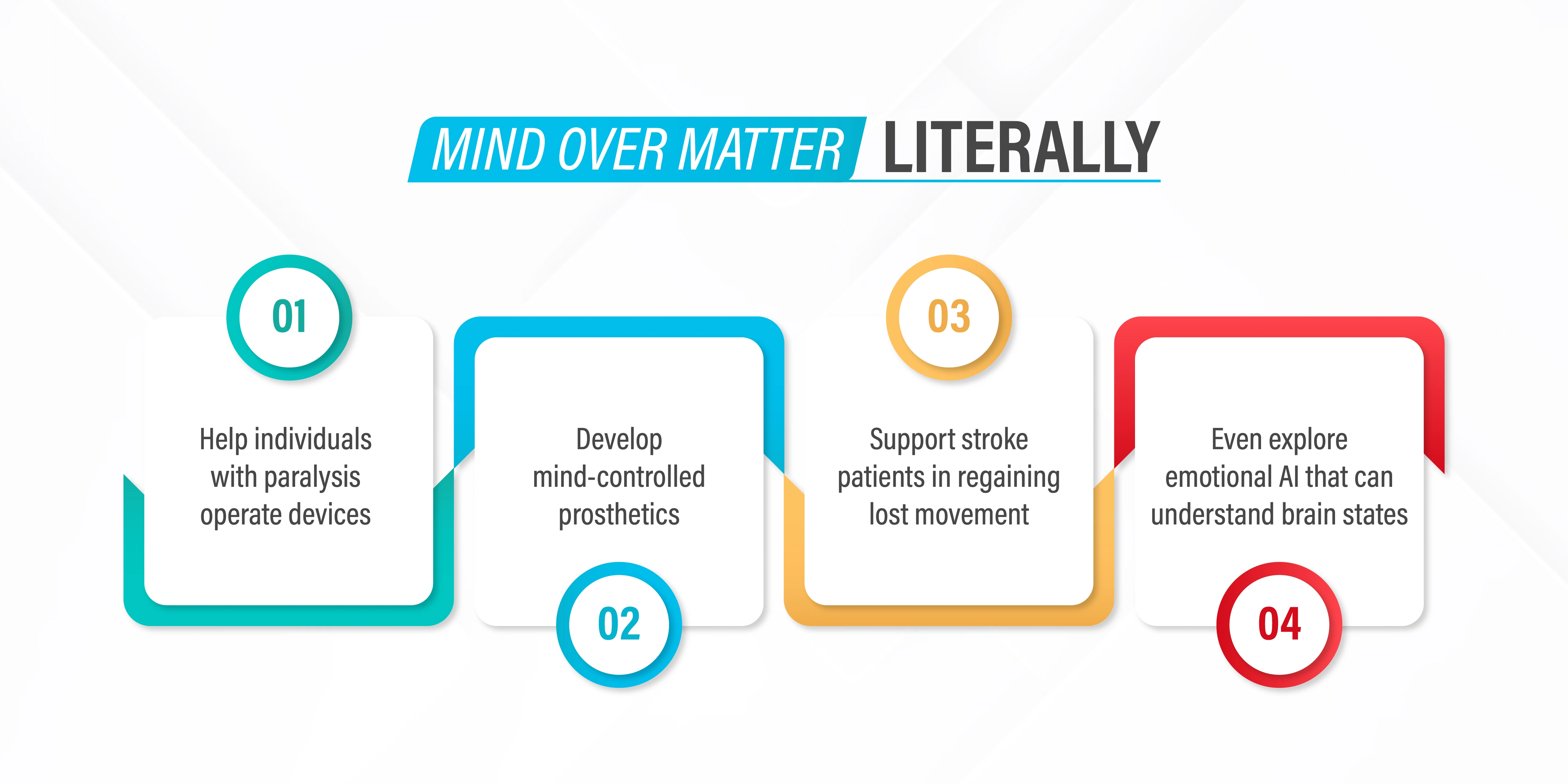
Let’s take a moment to appreciate how far we’ve come. Not long ago, the idea of machines responding to human thoughts was a distant dream. Today, we're using brainwaves to:
- Help individuals with paralysis operate devices
- Develop mind-controlled prosthetics
- Support stroke patients in regaining lost movement
- Even explore emotional AI that can understand brain states
And companies like Neuralink (yes, Elon Musk's company) and Synchron are pushing this field even further, exploring direct brain implants, while researchers at places like Carnegie Mellon University are working on non-invasive tech with incredible precision.
But... What About Ethics?
With great power comes great responsibility. As BCIs advance, so do concerns about privacy, autonomy, and consent. If your brainwaves can be read, can they also be hacked? Can thoughts be misinterpreted?
Lawmakers and ethicists are stepping in to create frameworks, but it's a delicate dance. The key is ensuring that as we innovate, we also protect the deeply personal data that lives in our minds.
What’s Next? 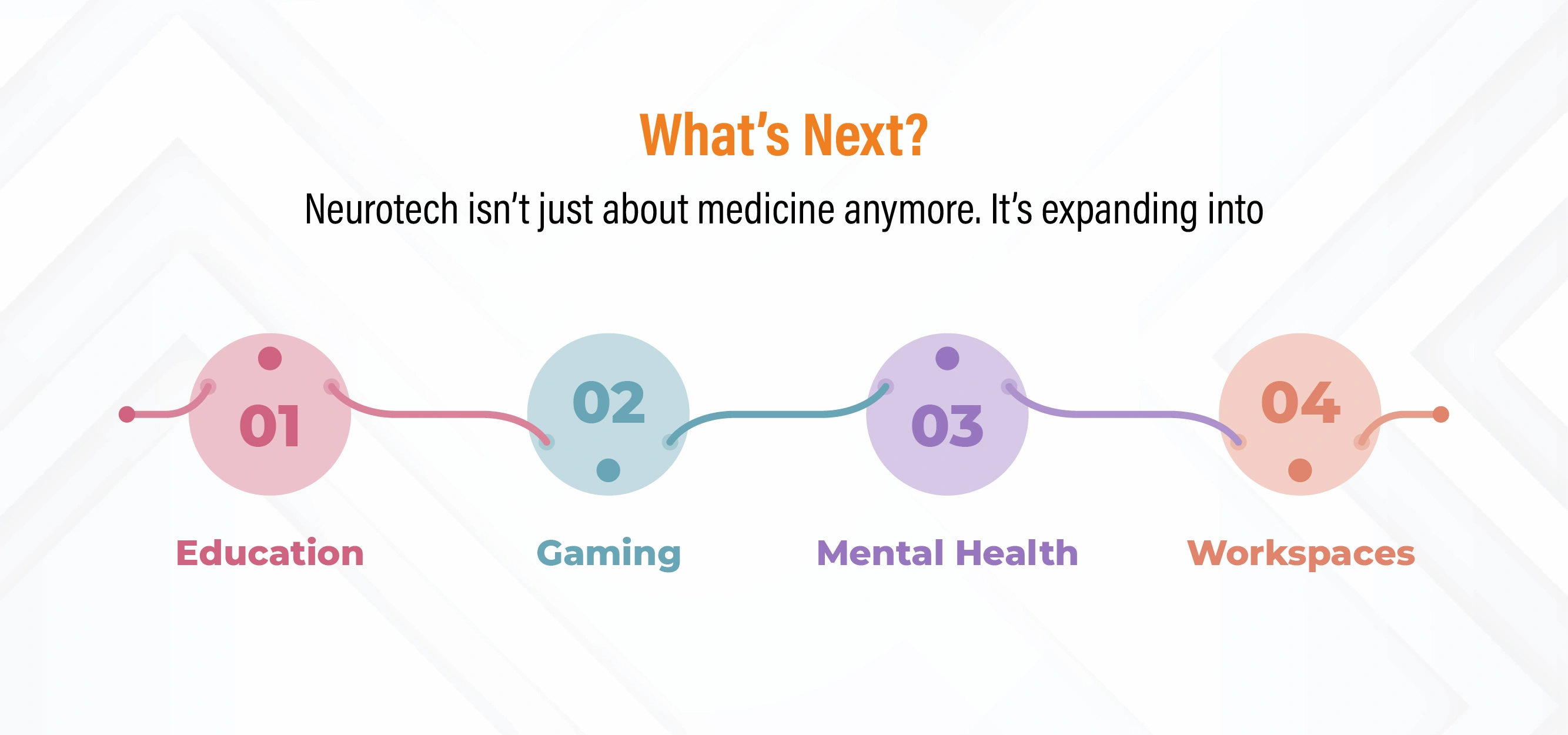
Neurotech isn’t just about medicine anymore. It’s expanding into:
- Education: Imagine personalized learning based on brain feedback
- Gaming: Where your emotions control the game
- Mental health: Diagnosing anxiety or depression through neural signals
- Workspaces: Monitoring attention levels and cognitive load in real time