

What if the devices you use every day could anticipate your needs before you even realize them? Imagine waking up to your coffee already brewing because your smart alarm clock knows you stayed up late. Picture a world where traffic jams are history because your car gets a heads-up about congestion miles ahead and adjusts your route automatically. Or imagine doctors performing life-saving surgeries remotely in real-time, regardless of distance. This isn’t a futuristic fantasy—this is the dawn of the 5G and IoT revolution, and India is right at its epicenter.
In a world driven by connectivity, 5G (5th Generation networks) and the Internet of Things (IoT) are not just technologies—they are the invisible threads weaving together a smarter, more efficient tomorrow. With 5G and IoT expected to contribute significantly to the Indian economy by 2035, India is on the cusp of a transformation that will bridge gaps, empower industries, and touch every aspect of our lives.
But what makes 5G such a game-changer for IoT, and how does this impact us on the ground? Let’s unravel the potential of this powerhouse duo.
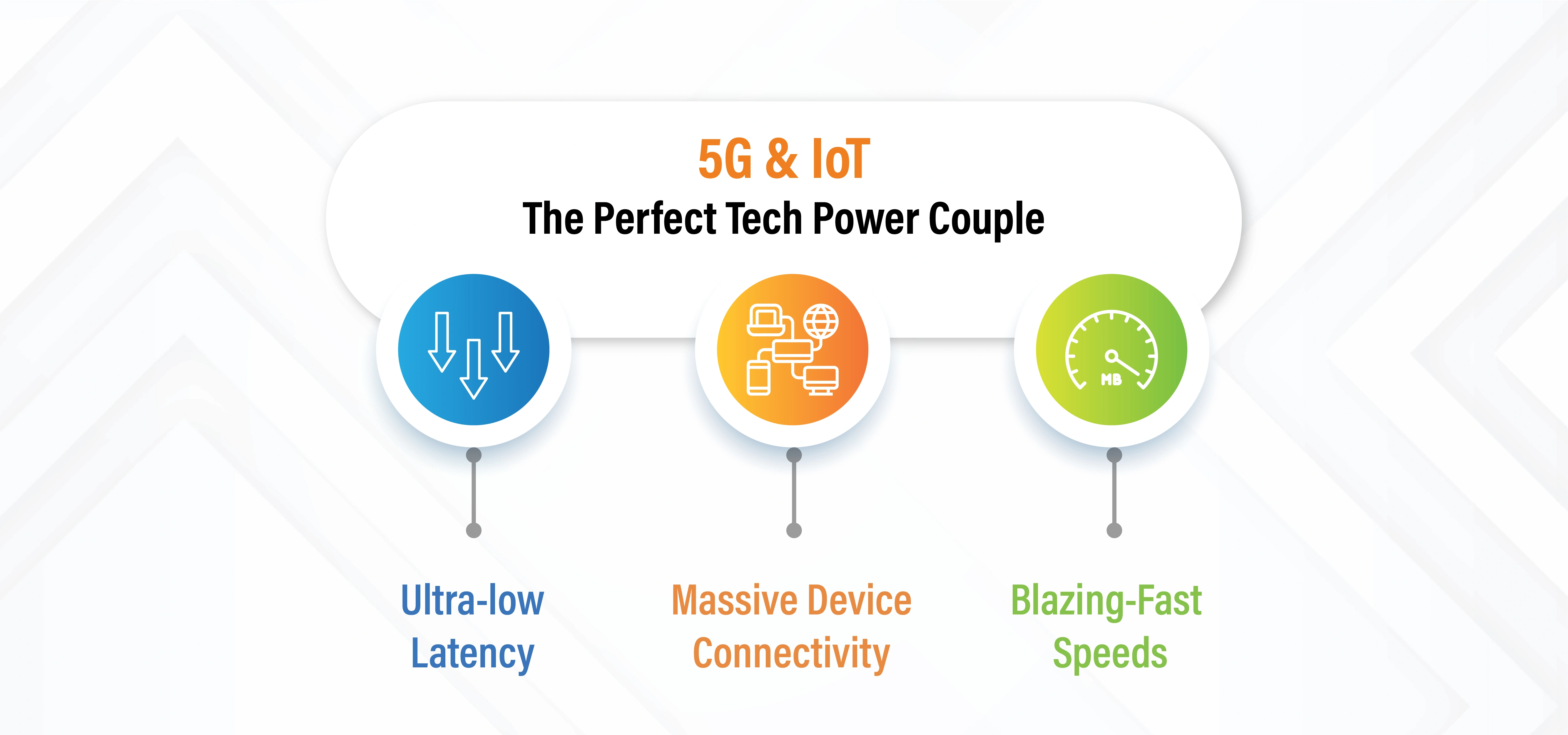
5G & IoT: The Perfect Tech Power Couple
If the Internet of Things (IoT) is the web of devices that talk to each other, then 5G is the turbo-charged highway that makes these conversations faster, smarter, and more seamless. Unlike 4G, which brought us connectivity, 5G delivers:
- Ultra-low latency (response times as low as 1 millisecond)
- Massive device connectivity (billions of devices at once)
- Blazing-fast speeds (100x faster than 4G)
To put it simply: 5G makes instant decision-making possible for IoT devices. Think of a factory where IoT sensors monitor machines for wear and tear. With 5G, these sensors can instantly alert engineers about potential breakdowns before they happen, saving time, costs, and productivity. For a country like India, where industries, agriculture, and urban living are evolving rapidly, this is transformational.
Real-World Applications: How 5G & IoT Will Transform India
Here are a few ways this technology duo is already making an impact:
1. Smart Cities That Think for Themselves
India’s dream of smart cities is finally within reach. With IoT devices collecting data on traffic, waste management, and energy use, 5G ensures real-time action.
Imagine a city where traffic signals adjust automatically based on live congestion data, or public waste bins alert cleaners when they’re full. This level of efficiency will transform urban living, making cities cleaner, safer, and more sustainable.
2. Healthcare Without Borders
Remote healthcare is no longer limited by poor connectivity. With 5G and IoT-enabled wearables, doctors can monitor patients from anywhere, providing real-time treatment for critical conditions.
For example, robotic surgeries will soon be commonplace. A surgeon in Mumbai can operate on a patient in rural Odisha without any lag. 5G’s speed and reliability make this future possible.
3. Smart Farms: The Future of Agriculture
India’s agricultural sector, which feeds millions, often suffers from outdated techniques. With IoT sensors monitoring soil health, weather patterns, and crop needs, farmers can make real-time decisions. 5G ensures that these insights are delivered instantly.
Precision farming can help farmers boost crop yields, conserve water, and reduce costs, bringing a new era of sustainability to Indian agriculture.
4. Connected Cars for Safer Roads
Connected cars are vehicles embedded with IoT sensors and powered by 5G technology, enabling them to communicate not just with other vehicles but also with their surroundings, such as traffic signals and road infrastructure. This allows for real-time sharing of critical information, ensuring smoother and safer commutes.
Imagine your car warning you about a sudden pothole, a sharp turn ahead, heavy rain, or a pedestrian crossing the road—all in real-time. For a country like India, where road safety is a major concern, this technology could save thousands of lives by preventing accidents and reducing congestion.
5. Industry 4.0: Smarter Manufacturing
In factories across India, IoT sensors can track machinery performance, predict failures, and optimize energy usage. With 5G’s speed and reliability, these systems will operate with near-perfect efficiency, reducing downtime and boosting productivity.
This is the future of Industry 4.0, where factories don’t just run—they think and adapt.
Challenges: The Road Ahead
While the potential is huge, India faces some challenges on the path to a 5G-IoT revolution:
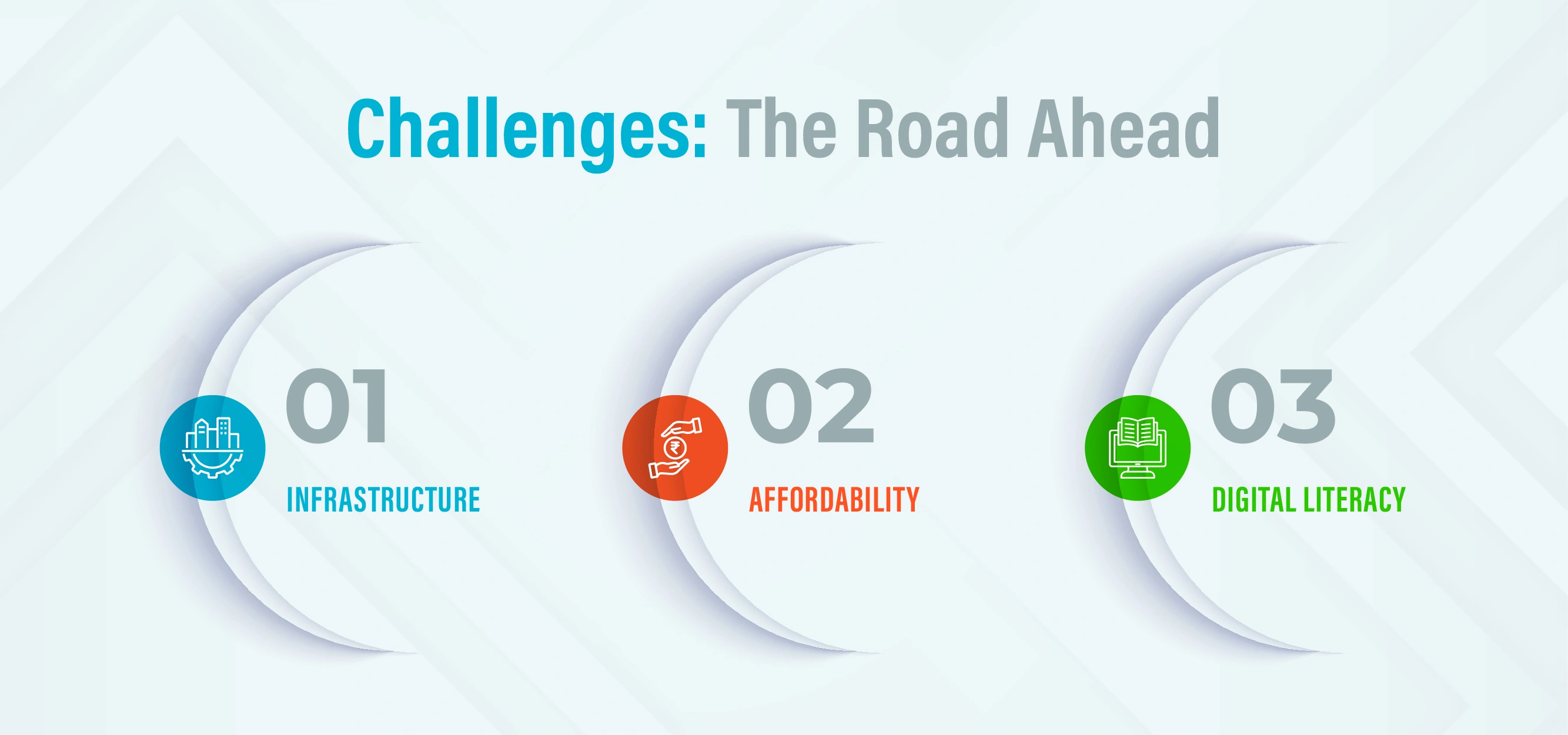
- Infrastructure: Expanding 5G coverage across rural and remote areas requires large-scale investment.
- Affordability: IoT devices and 5G plans need to become more cost-effective for widespread adoption.
- Digital Literacy: People across all demographics need awareness and education to use these technologies effectively.
However, with initiatives like Digital India and increasing investments by companies like Reliance Jio, Airtel, Bharti Infratel, Vodafone Idea, Cisco, Qualcomm, Ericsson, and Nokia these challenges are being tackled head-on.
A $1 Trillion Revolution: India Leads the Charge
By 2025, India is expected to host 2 billion IoT devices, all powered by 5G. From smart cities and connected cars to precision farming and advanced healthcare, the possibilities are endless.
India isn’t just adapting to this revolution—it is leading it. For learners, entrepreneurs, and innovators, this is the moment to dream big and create solutions that shape the future.